

Proceed with confidence and pace in taking your MedTech innovation to market.
Future patients deserve it.
Our mission
The London Institute for Healthcare Engineering (LIHE) embodies King’s College London’s mission to make the world a better place.
In a building dedicated to bringing MedTech innovations to patients and the market, we offer hands-on executive support for medical innovations from across the UK, and give MedTech entrepreneurs the confidence to proceed at pace from bench to bedside to boardroom.
Our only metric is how many patients the innovations we support positively impact. Future patients deserve it.
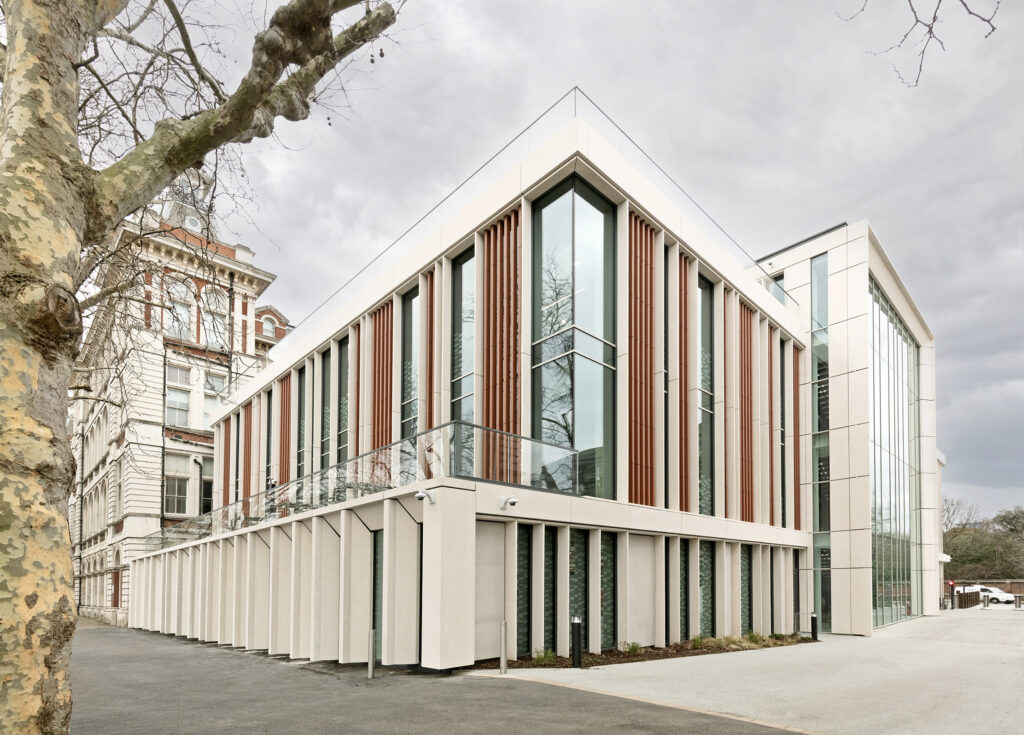
Only a handful of life-saving innovations make it to the patient bedside due to the complexities of bringing medical technology innovations to market. By collocating all critical stakeholders in a dedicated physical space side by side to our University and Hospital, we are giving innovations the best chance of making a real impact, at pace. Because our future patients deserve it.

Professor Sebastien Ourselin FREng FMedSci
Head of School of Biomedical Engineering & Imaging Sciences and Director of LIHE
Recent posts

Our dedicated building
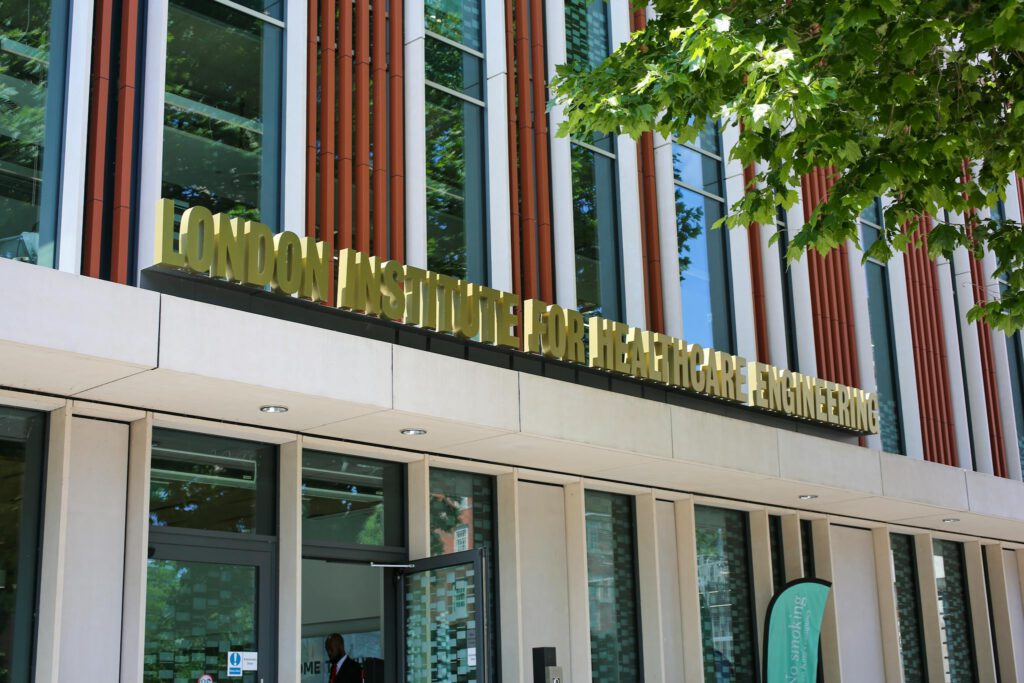
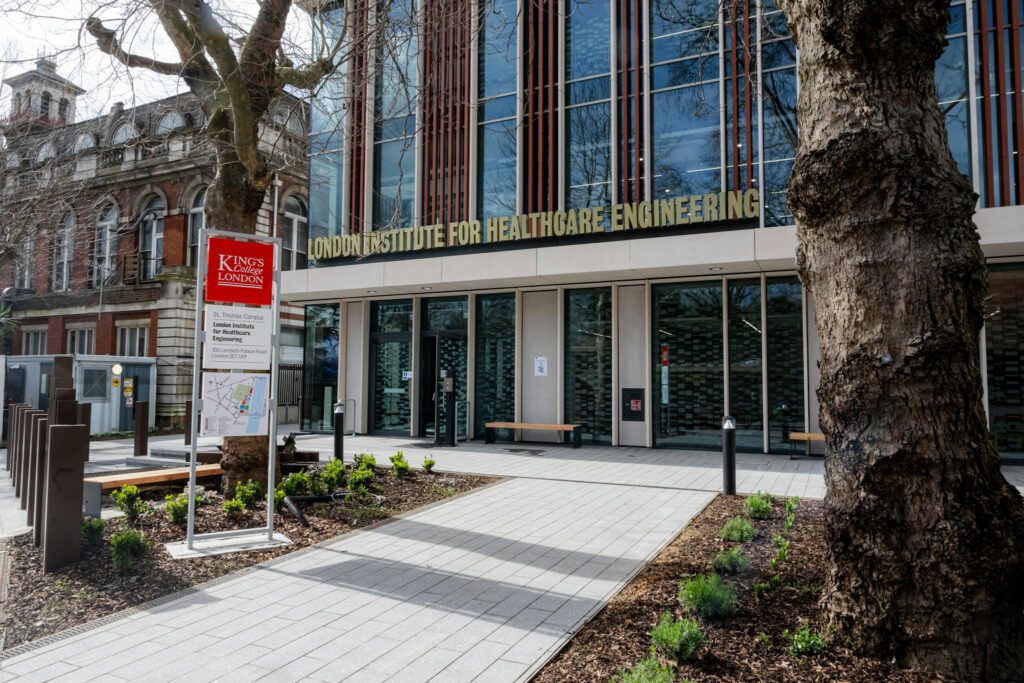
Creativity, connection, and collaboration come to life in our landmark building embedded within the campus of St Thomas’ Hospital, our clinical partner.
LIHE’s unique location, and its dedicated floors for experts, spin-outs, SMEs, and multinational partners, ensure our community represents the MedTech ecosystem at large.
The building’s architectural design explicitly fosters collaboration, with multiple areas inviting creative interaction between our community members.

The destination for MedTech innovators
LIHE is a unique institute for pioneering start-ups and SMEs that are advancing new medical technologies.
We collocate in a physical space all the critical elements required to support your commercial journey, with dedicated, sustained and tailored executive support.
Our members benefit from King’s world-leading scientific, regulatory, market access, and commercialisation capabilities, and unrivalled connections with academic institutions, clinicians and trusts, and industry partners.

MSc in MedTech Innovation and Entrepreneurship
The MSc is offered jointly by the School of Biomedical Engineering and Imaging Sciences and King’s Business School and is open to students from different disciplines - Healthcare, Engineering, Business and Design.
The core training is in MedTech design, scientific research methods, leadership, finance, and marketing. Very uniquely, the students can choose to learn aspects of MedTech that they enjoy – from AI in Healthcare to Robotics and Quality Management Systems to modules in the Faculty of Life Sciences and Medicine.
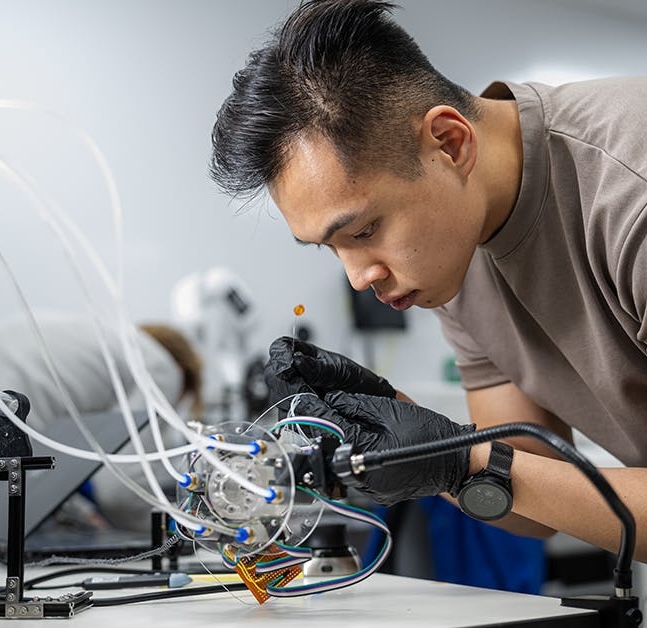
As a student, you benefit from being embedded in LIHE’s MedTech ecosystem. You will work in cross-functional, multi-disciplinary teams on ‘real-world’ projects from the MedTech industry or you could build your own MedTech start-up for your dissertation. These real-life experiences prepare you for future roles as leaders, managers, intrapreneurs and entrepreneurs in the MedTech industry.
Our community and partners
Industry

Siemens Healthineers

NVIDIA

Medtronic

Team Consulting

Scan
Clinical & Academic
King's Health Partners

Arizona State University
Funders & Supporters

Research England

Wellcome

SEHTA
Featured articles
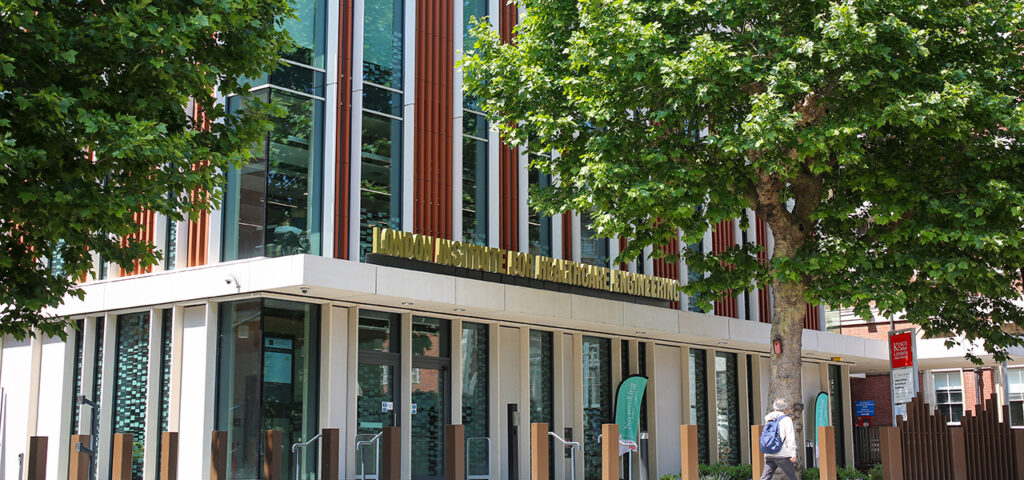
Celebrating two years of the London Institute for Healthcare Engineering
8 October 2026
This summer marked two years since the London Institute for Healthcare Engineering officially opened its doors, and a good time to reflect on what we’ve achieved so far.
Read more

LIHE team kicks off J-StarX UK HealthTech Launchpad in Tokyo
31 July 2026
The London Institute for Healthcare Engineering (LIHE) team has officially launched the new J-StarX UK HealthTech Launchpad programme in Tokyo.
Read more
LIHE and Team Consulting collaborate to advance UK MedTech innovation
17 February 2026
A collaboration between LIHE and Team Consulting will see Team Consulting provide expertise to ventures in LIHE’s MedTech Venture Builder.
Read more
The London Institute for Healthcare Engineering launches The LIHE Breakfast with delivery partner Public Policy Projects (PPP)
17 February 2026
The London Institute for Healthcare Engineering (LIHE), in partnership with Public Policy Projects (PPP), is pleased to announce the launch of The LIHE Breakfast, a new series convening thought leaders from across the healthcare ecosystem to advance innovation, technology and policy in the UK and beyond.
Read more
Inaugural King’s MedTech Accelerator completes at the London Institute for Healthcare Engineering
3 February 2025
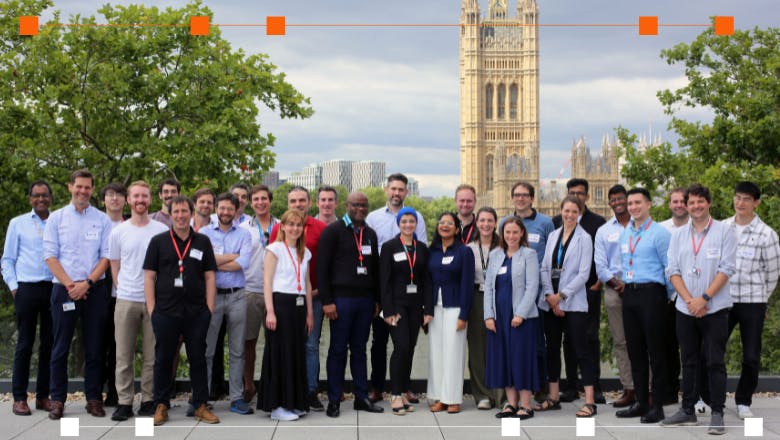
The inaugural King’s MedTech Accelerator (KMA) programme has completed its first iteration of supporting aspiring entrepreneurs from across King’s in medical technologies (MedTech) to grow their understanding of the translation path from bench-to-bedside-to-boardroom.
Read more